

Menu

You're Invited to Gulfood 2026
Find us at Za'abeel Hall 2, Stand Z2-C3
What Makes a High-Quality Energy Drink? Ingredients That Matter

Author
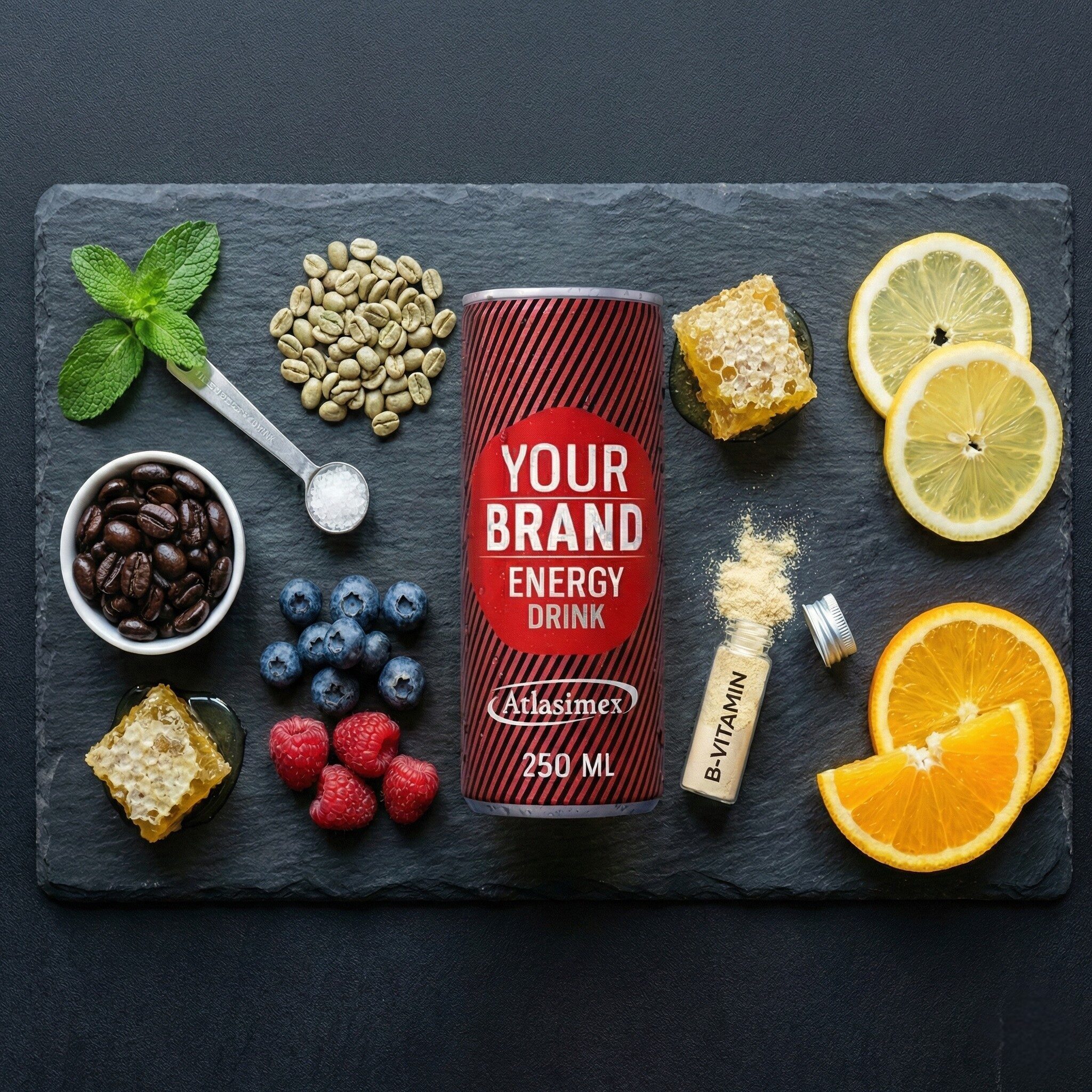
The Anatomy of Quality: Critical Components That Define Premium Beverages
The global energy drink market is saturated with options, but the gap between a generic product and a high-quality beverage is significant. For importers, distributors, and retailers, discerning this quality difference is essential for building lasting brand loyalty and ensuring repeat business. A premium energy drink isn't just about the initial boost; it's about the sophistication of the formulation, the stability of the product during export, and the consistency of the taste profile.
At Atlasimex, operating across 21+ countries, we recognize that superior beverages are built on a foundation of scientifically balanced ingredients and rigorous manufacturing standards.
-
Bioavailable Stimulants: Moving beyond basic synthetic caffeine to incorporate balanced sources like taurine and high-grade caffeine for a consistent energy curve.
-
Functional Fortification: The inclusion of essential B-vitamins (B3, B5, B6, B12) which are crucial for energy metabolism, rather than just empty stimulants.
-
Flavor & Formulation Stability: Utilizing advanced processes like pasteurization to ensure the taste profile remains consistent from production to the final consumer, regardless of logistics.
When developing private label beverages or our own brands like PROMAX and MAX TIGER, the ingredient matrix is paramount. High-quality beverages increasingly move away from medicinal aftertastes by incorporating natural components. The premium segment now demands innovations such as natural fruit juices, honey, or coffee extracts to provide a more authentic flavor profile while maintaining functional benefits. Furthermore, the balance of sweeteners—whether standard sugars for quick energy or advanced sweeteners for sugar-free variants—determines the beverage's glycemic impact and overall mouthfeel.
Ultimately, a high-quality energy drink is defined not just by what is on the label, but by the expertise behind the formulation. For B2B partners, reliable sourcing and compliant manufacturing (such as Halal, ISO, or HACCP where applicable) ensure that the final product meets international regulatory standards while delivering the experience consumers expect. Consistent quality control remains the backbone of successful international beverage distribution.
Tags
-
Beverage Manufacturing
-
Ingredient Sourcing
-
Private Label Development
-
Quality Control